Years ago when our children were in the at-home-developmental-stage, and my wife and I referred to our children as kids, my father-in-law sometimes corrected us.
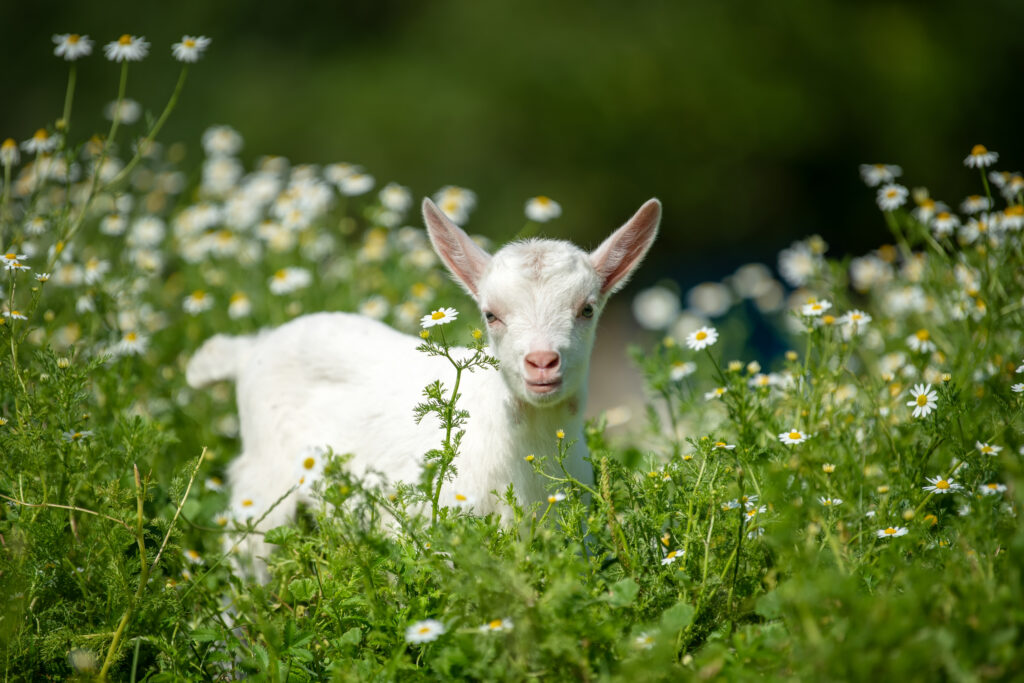
“A kid is a baby goat,” he would say.
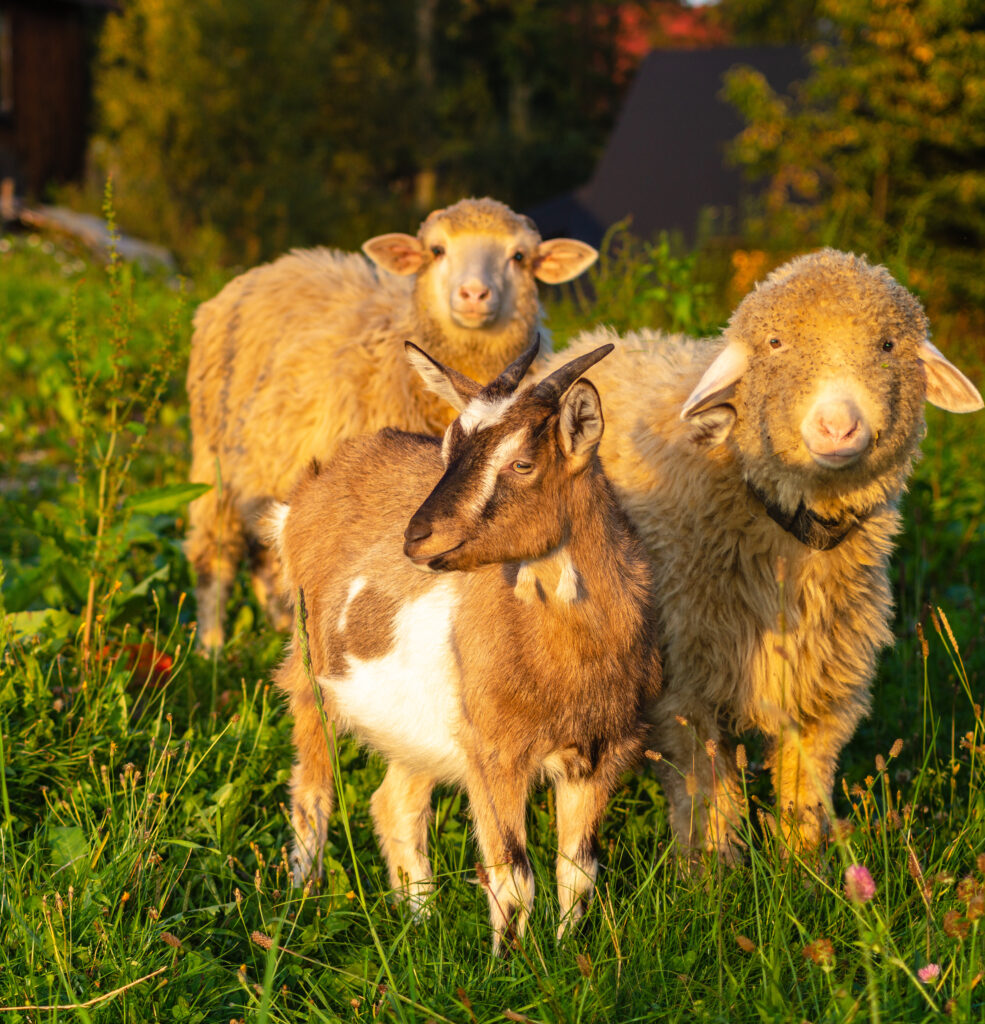
Shepherds often have goats and sheep in the same flock, thus Jesus’ analogy about separating them in Matthew 25.
There are some examples we can find in the lives of good shepherds that prove useful in raising human children. Here are eight of them:
- They know their sheep. A good shepherd knows their sheep’s strengths, weaknesses, tendencies and fears; parents can do the same by observing and studying their children, and we have great resources available. My two favorites are The Five Love Languages of Your Family, and How am I Smart?
- Their sheep know them. A sheep knows his shepherd because that shepherd is consistently present with consistent behavior. If that behavior is consistently good, the sheep will willingly trust the shepherd. For parents, the key words are consistent, present and good.
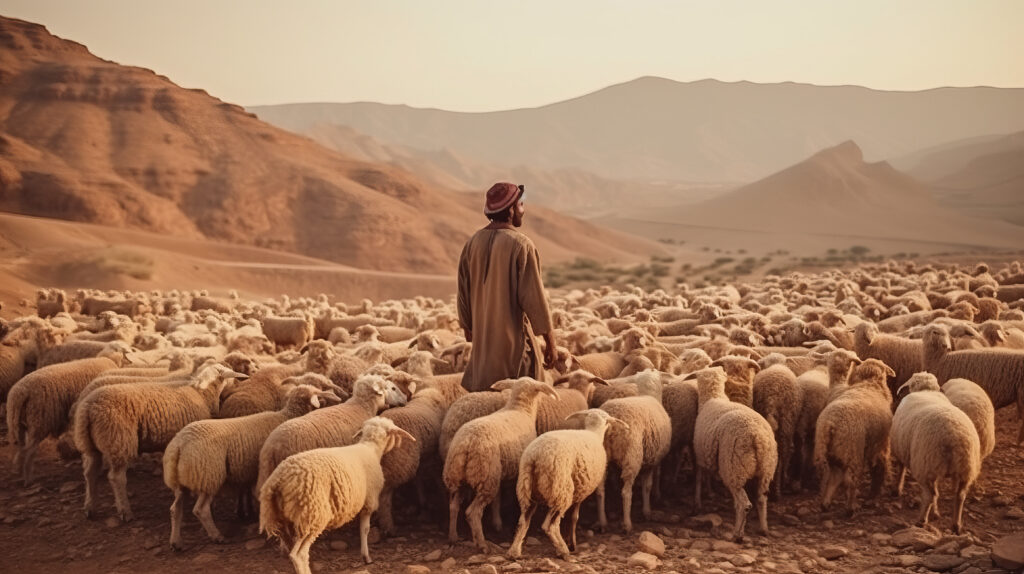
- They lay down their lives for their sheep. David risked his life, killing the bear and the lion, for his sheep. What parents lay down is more like their time, their pride and their energy for their kids.
- They protect them. Protecting kids also often requires sacrifice. Protecting their physical wellbeing involves physical energy, and their mental and emotional protection requires guarding them against damaging words; sticks and stones…is a lie. Protecting them spiritually means teaching and exemplifying God’s love for them.
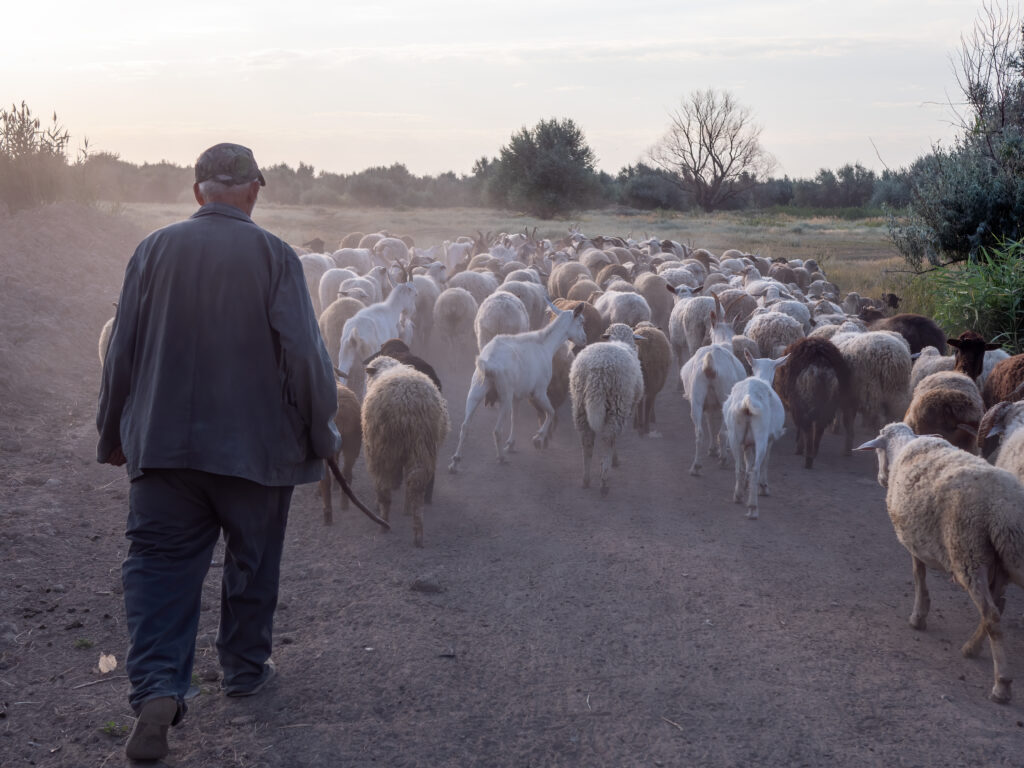
- They rescue them and carry them home. Jesus established the Priority of the One Principle. If someone’s in trouble, drop what you’re doing, rescue them and bring them home. The mottos, No Man Left Behind (from the US military) and No Child Left Behind (President G. W. Bush’s education stance) serve as modern day practical examples of the principle. Parents who follow this commit all they can possibly give to rescue their child from whatever real danger threatens them.
- They provide for them. Laying them down in the green grass…preparing a table for them…their cup running over… These are Biblical examples. What it looks like for parents is putting in the effort to ensure their kids’ needs are met.
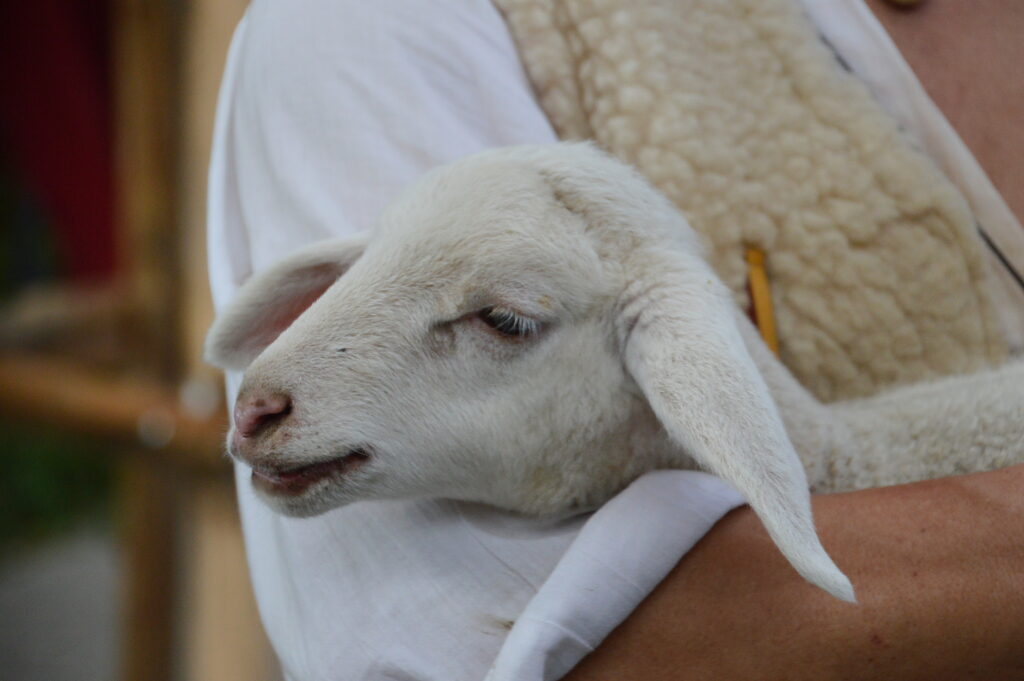
- They give them peace. If shepherds lead their sheep beside still waters and comfort them with their protective rod and staff, how do parents settle the anxious hearts of their children? By doing whatever is necessary to relieve their kids of anxiety.
- They never leave them. This one, neither shepherds nor parents can promise to the degree Jesus can. What parents can promise is to never, to the best of their ability, leave the child uncared for; some things the parent will be present for, while other things will be wisely delegated to the trustworthy, and all things will be placed by faith in the all-capable hands of God. The parent can also promise that their thoughts and prayers for the child will never cease.

Parents, if we enact these eight, our parenting (shepherding) will be great!